Description
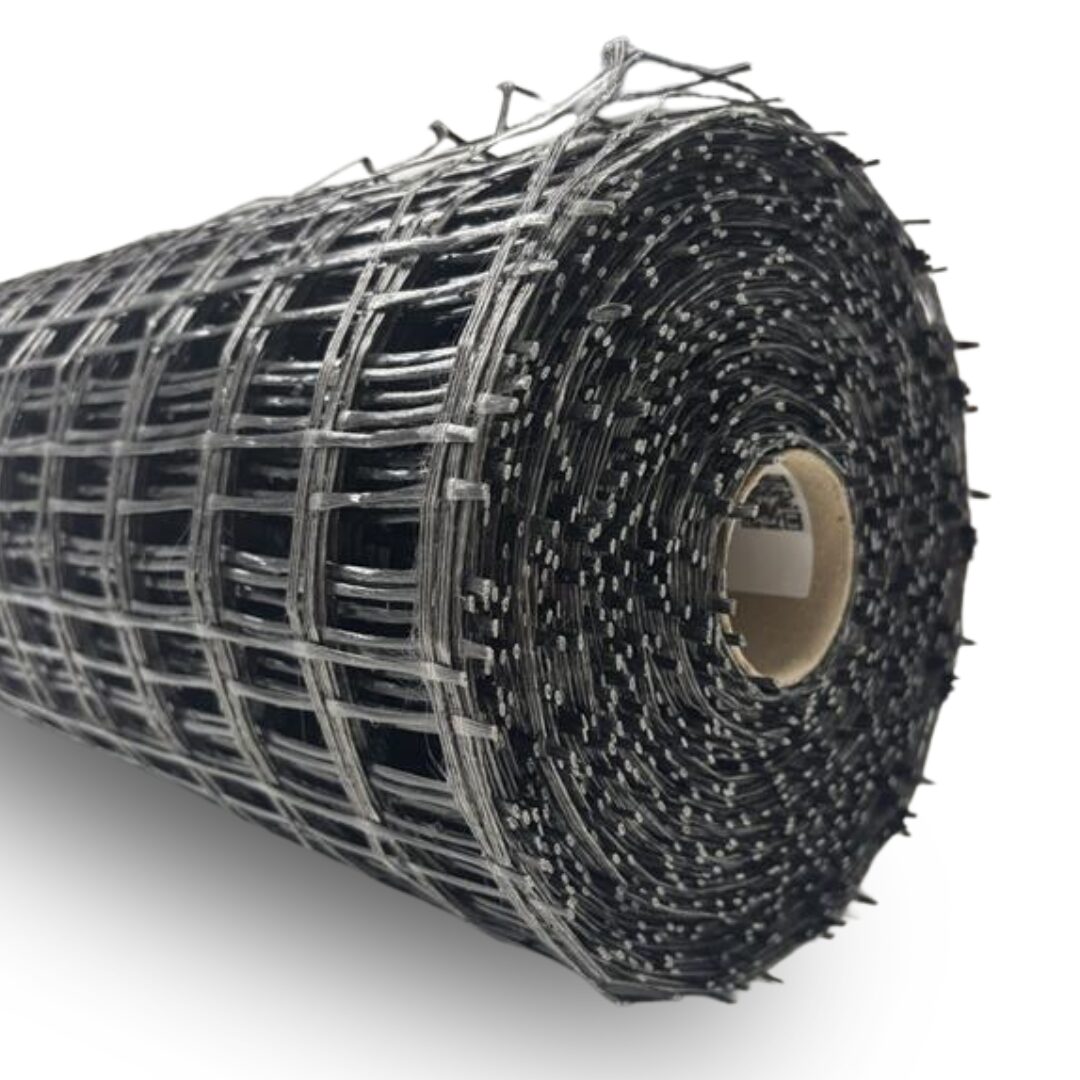
Rebarflex is a modern reinforcement solution designed to reduce movement and help prevent cracking in patios, driveways, screeds and concrete bases. By reinforcing the concrete beneath the surface, it helps distribute loads evenly, reducing stress points that can lead to cracking, crumbling and surface failure over time.
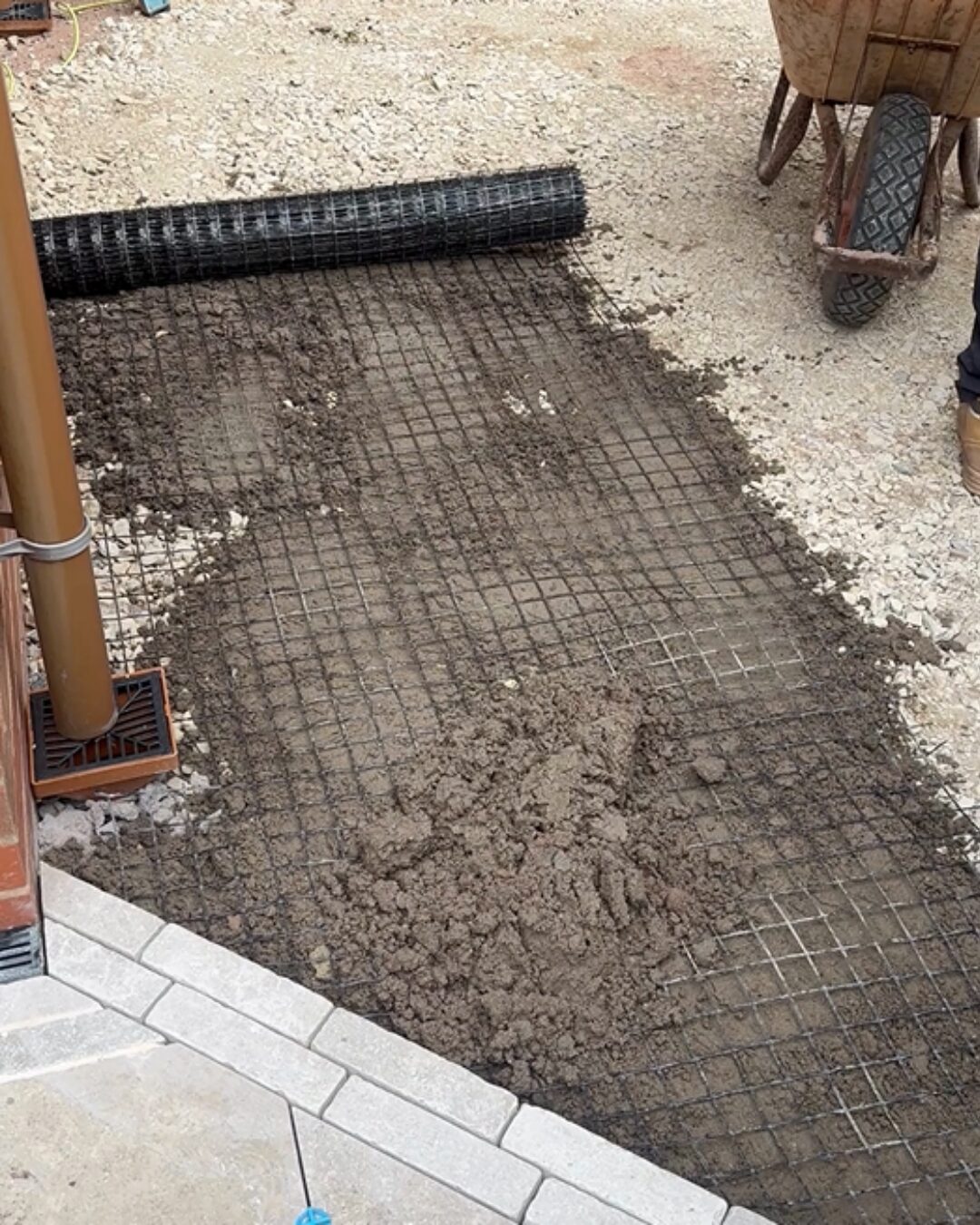
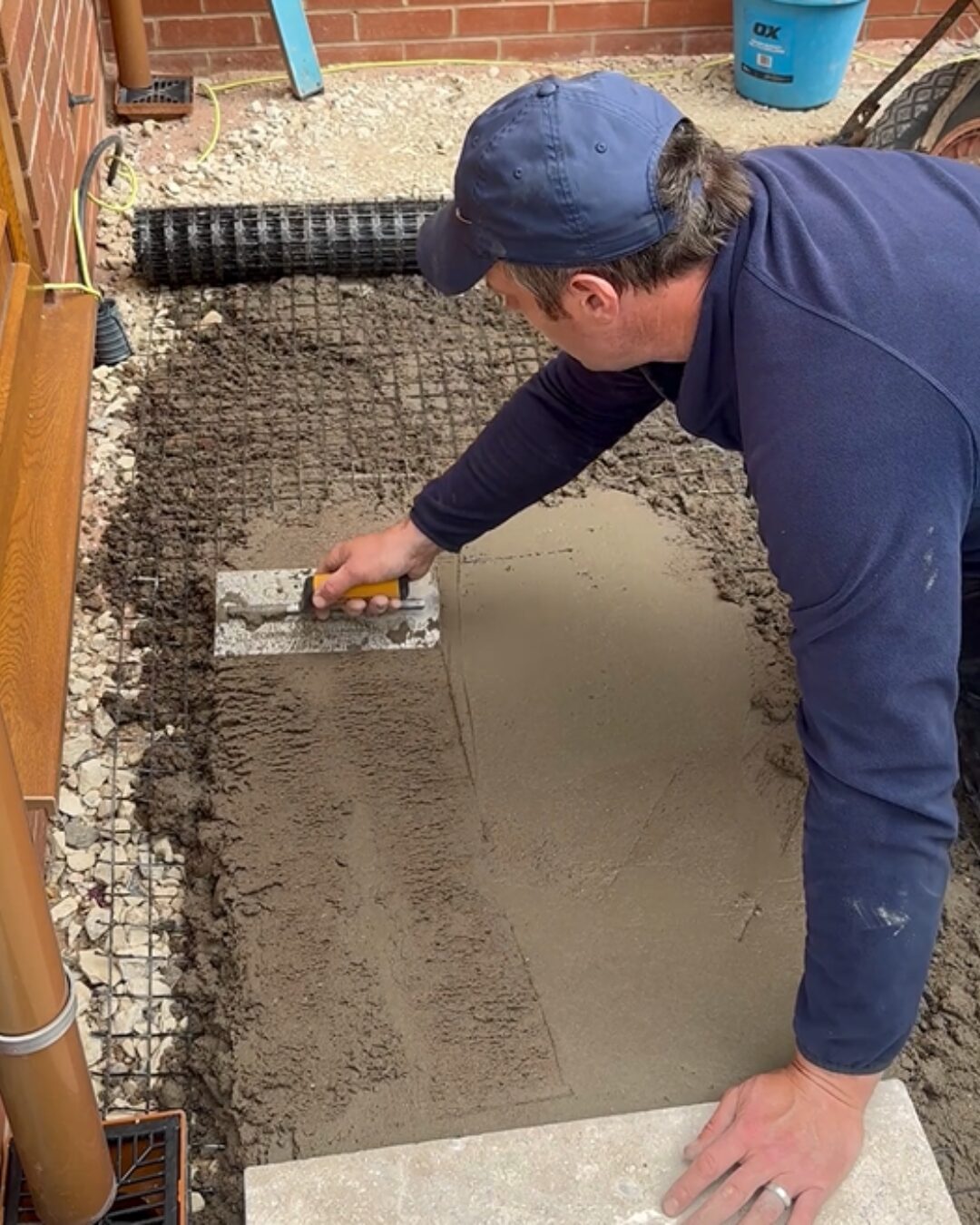
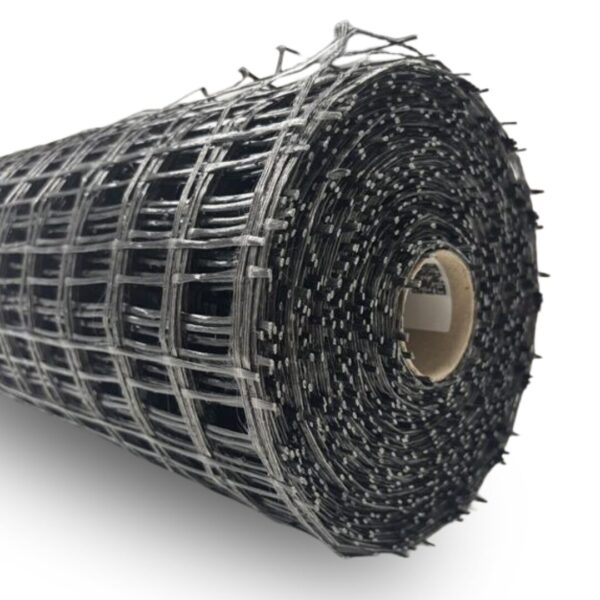
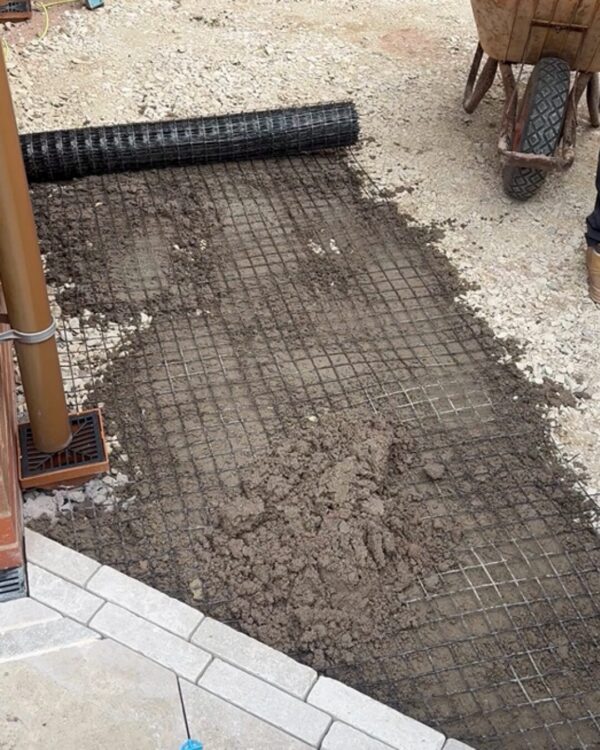
Lightweight and supplied in easy to handle rolls, Rebarflex replaces traditional steel mesh, making it faster to transport, easier to position and simpler to install on site. It can be quickly cut to size using standard hand tools, with no need for heavy lifting or awkward steel sheets.
Unlike traditional reinforcement, Rebarflex is won’t rust or corrode, and is fully alkali resistant thanks to its ALKAMAXX coating, ensuring long-term performance even in demanding external environments.
In testing, Rebarflex delivers up to 62% greater crack prevention compared to standard steel mesh, offering a more reliable base for long-lasting installations. With a tensile strength of 2750N/500mm, it provides professional-grade performance while remaining significantly easier to handle and install.
Installation is up to 6 times faster than steel mesh, making it a practical choice for installers looking to reduce labour time without compromising on strength or durability.
Reinforce the Mortar Bed. Control Cracking.
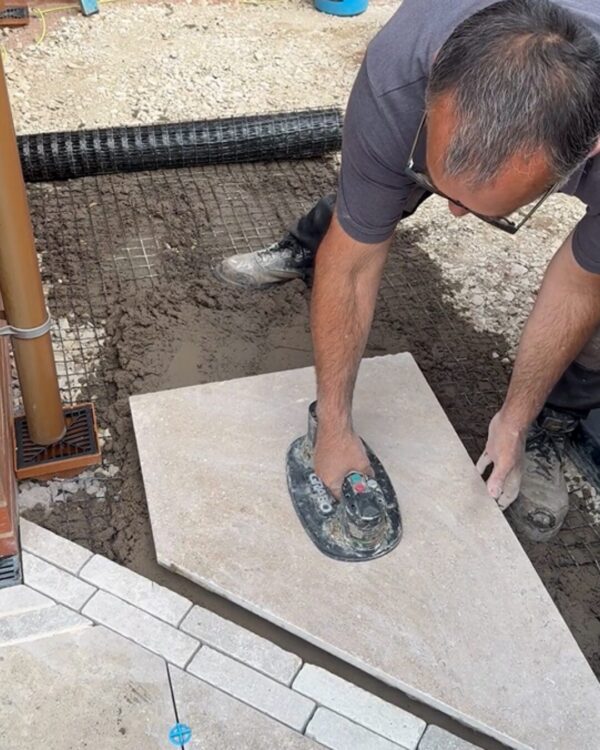
When laying external porcelain paving, movement, shrinkage and temperature changes can place stress on the mortar bed, increasing the risk of cracking over time.
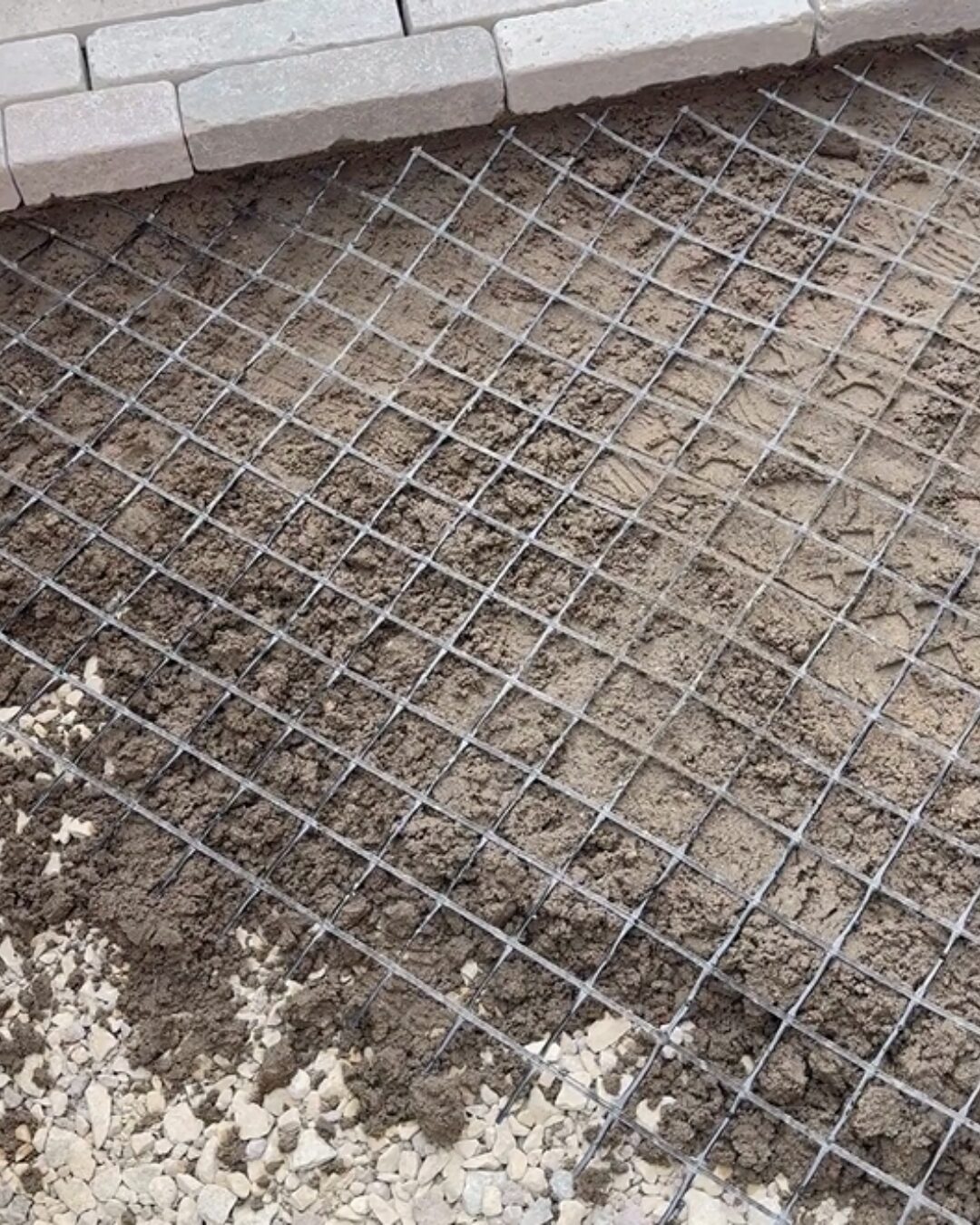
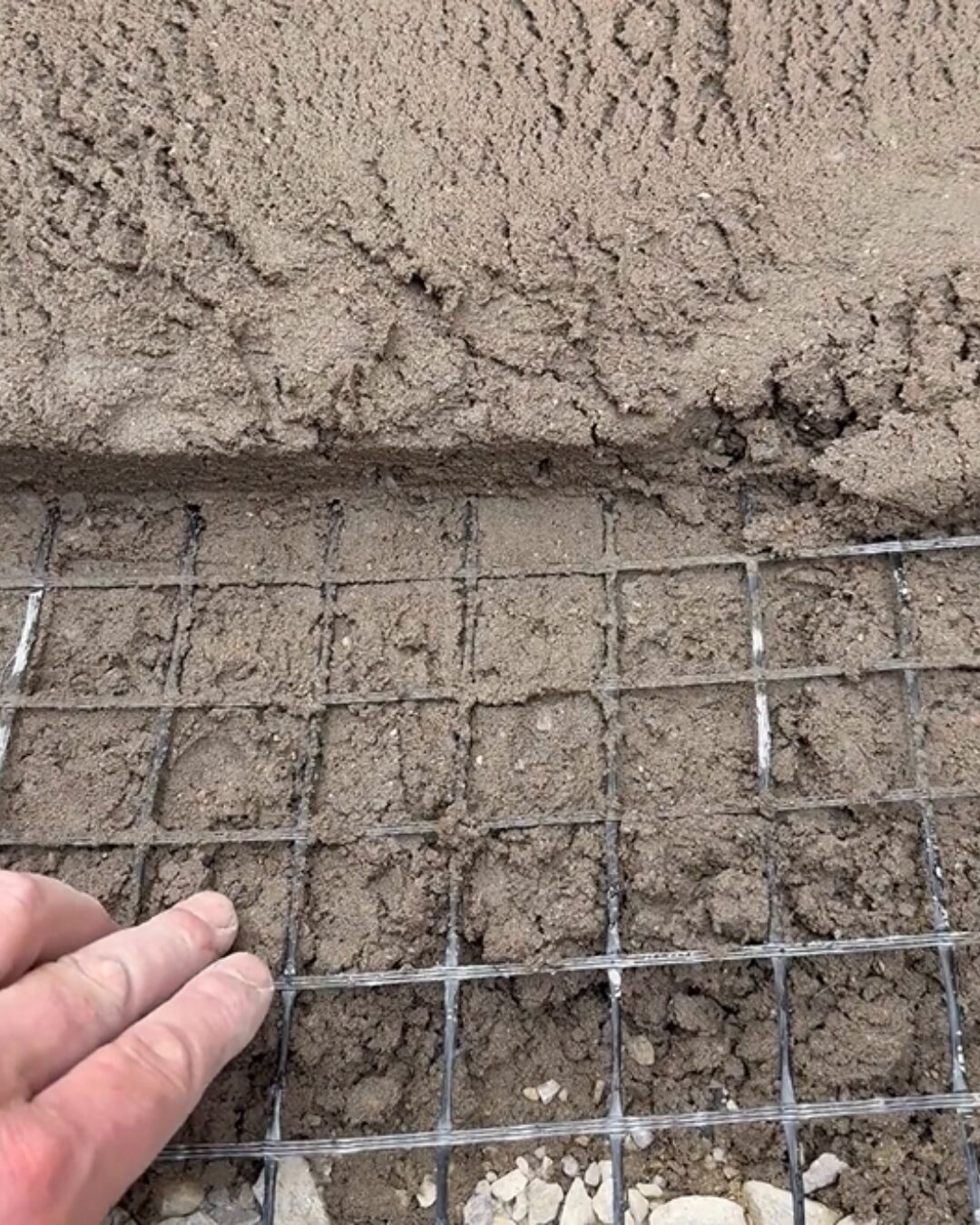
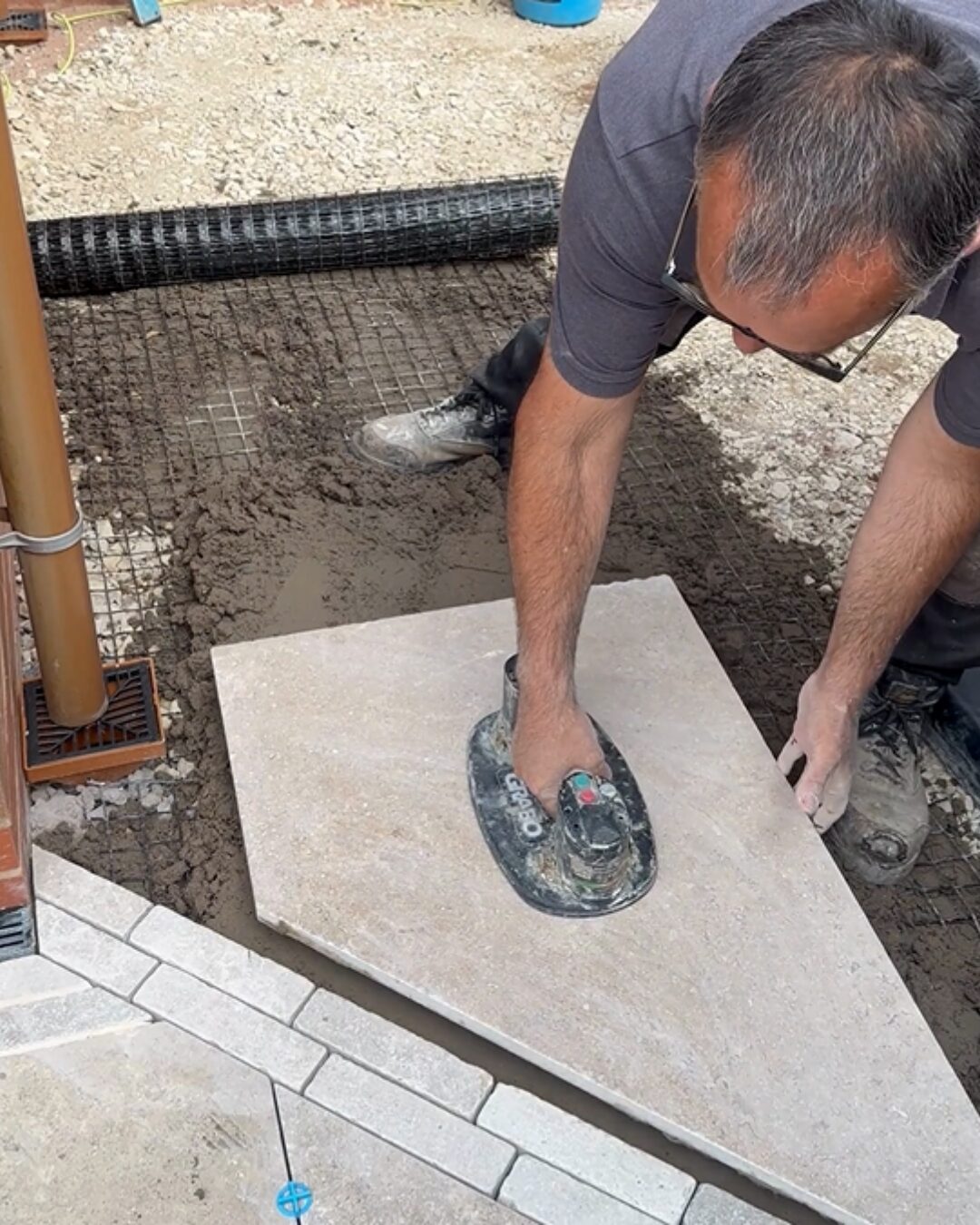
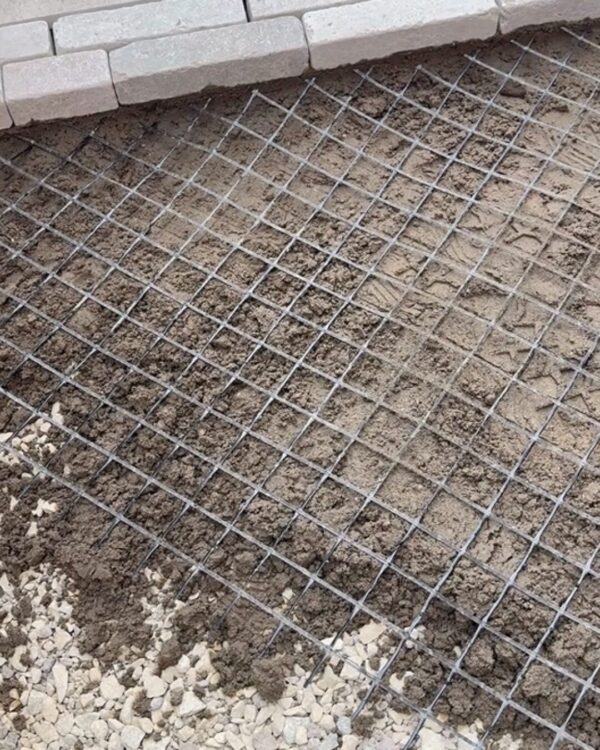
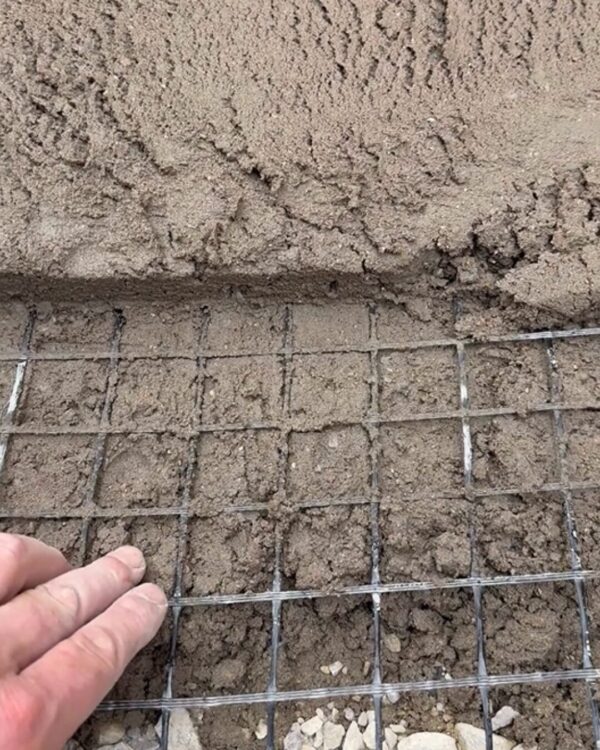
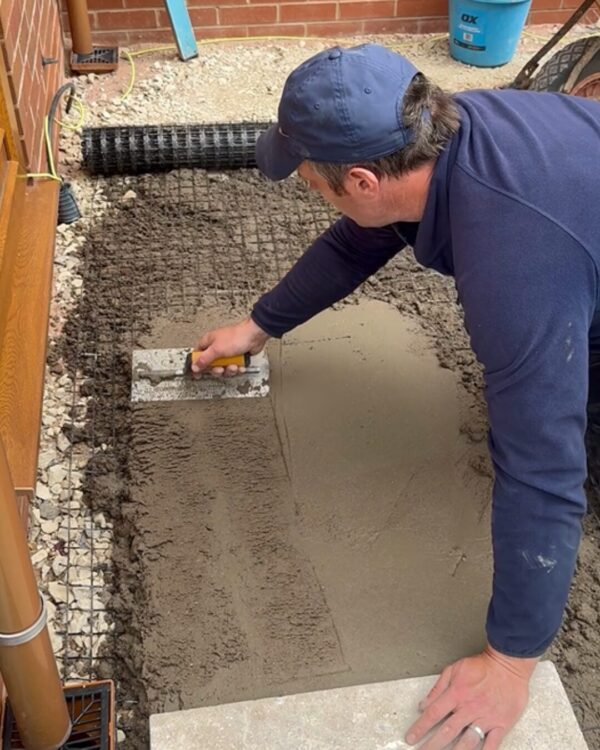
Walther Strong HD Rebarflex introduces high strength reinforcement into cement-based mortar beds and screeds, helping to control cracking and provide an additional level of reinforcement beneath the paving.
Assessed under EAD 260057-00-0303 / ETA 23/0189, Rebarflex strengthens the mortar bed and has been shown to reduce cracking by up to 62%.
What about movement joints?
Rebarflex reinforces the mortar bed but does not replace the need for correctly designed movement joints.
For external floor tiling, BS 5385-3:2024 recommends intermediate movement joints within the tile assembly at intervals of 3–5 metres, with the exact positioning and spacing dependent on factors such as exposure to sunlight and heat, anticipated substrate movement, tile size, colour and installation conditions.
Used alongside correctly designed movement joints, Rebarflex provides additional reinforcement within the mortar bed to help create a stronger, more crack-resistant external porcelain installation.
Only logged in customers who have purchased this product may leave a review.







Reviews
There are no reviews yet.